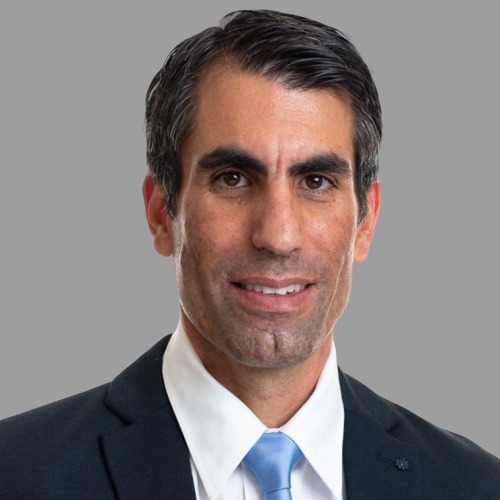
Dr. Noam Protter
Soroka University Medical Center
Chief Orthodontist at Soroka University Medical Center and at Meuhedet Dental Clinics, and Director of the private practice in Tel Aviv.
Israel
Abstracts
Biomechanical limitations of clear aligners: The constraint of single point force application
The concept of the Center of Resistance (CRes) is paramount in defining how a naturally restrained tooth responds to orthodontic loads, typically located near the center of the root. Fixed Appliances (FA) utilize artificial restraint (approximately 200,000 MPa) to dynamically shift the CRes location from the root to the bracket slot, which is essential for achieving precise three-dimensional (3D) tooth movement. This shifting is facilitated by the reliable application of a couple, two equal, opposite forces acting in separate planes, a mechanism unavailable to removable appliances.
Clear Aligners (CA) and other removable devices are inherently limited to applying a single force vector to the crown. This application results predominantly in tipping (rotation around the natural CRes in the root), which is the default movement for restrained bodies exposed to such loading. This fundamental biomechanical constraint leads to low clinical efficiency, averaging approximately 50% of programmed tooth movement across all movement types.
Consequently, specific complex movements are considered predictably unattainable or highly unpredictable with CAs. These include orthodontic torque (the movement requiring a couple to shift the CRes to the crown), pure bodily translation, and pure intrusion. Attempts to achieve these movements often result in undesirable tipping or incomplete correction. The inability of CAs to systematically control the CRes position restricts them mainly to complex tipping patterns, necessitating extensive overcorrection strategies and multiple sets of aligners to "walk" the teeth toward the desired outcome. This lack of precise control suggests that CAs are unlikely to match the clinical excellence of FA, particularly concerning finishing details and achieving root parallelism.
Keywords Center of Resistance (CRes); Fixed Appliances (FA); Clear Aligners (CA); Couple; Tipping; Translation; Torque; Intrusion; Root Parallelism.
Featured 2025 Speakers
Speakers of The Club
Dr. Jean-François Ardouin
Co-founder - Spatial Organization of the Mouth (OSB)
Dr. Jelena Grastic
PCM Trainer
Dr. Maria Csillag
Founder of Smylist Academy

Dr. Rasha Hamouda
Pharos University in Alexandria
Dr. Kalina Borska
Author of The Borska Protocol
Dr. Lilian Shi
Glen Dental Care
Dr. Boros Loredana
Dental One Studio
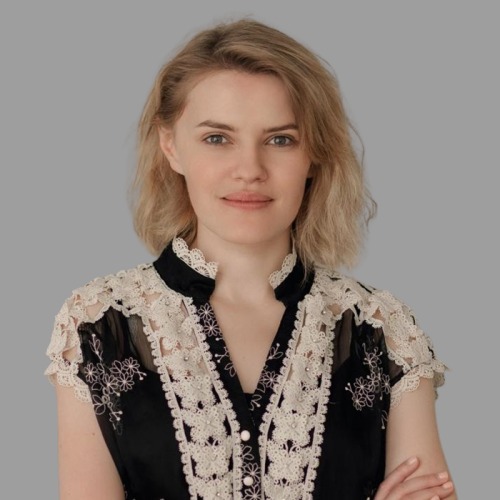
Dr. Oksana Soroka
CEO - GScompany_ed
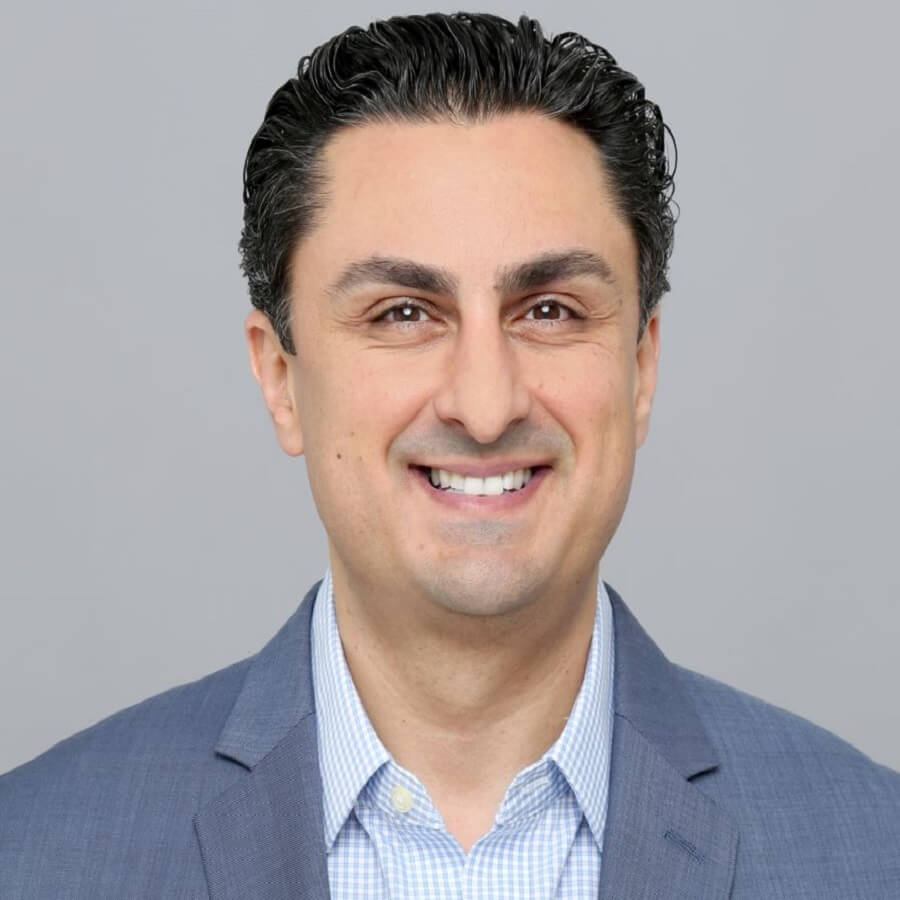
Dr. Tarek Assi
Alpha Dental Practice & Implant Center
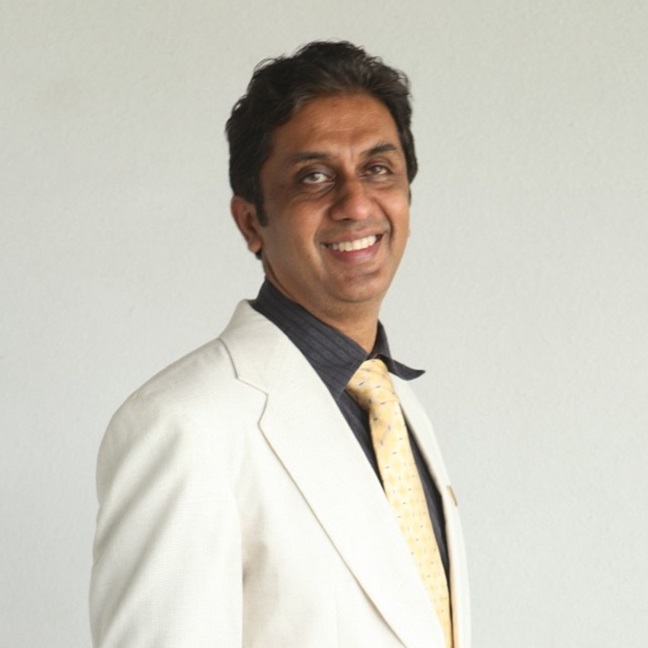
Dr. Ajay Kakar
Smylist ® Academy
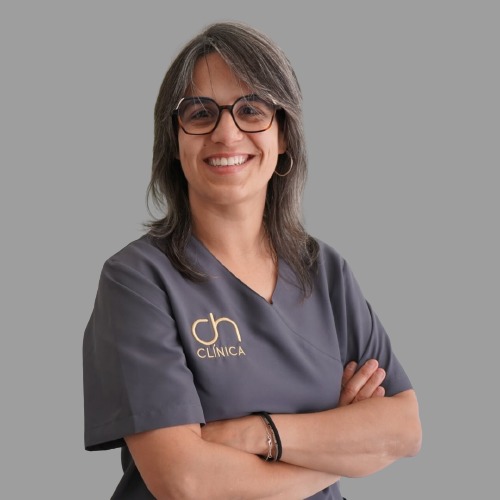
Dr. Beatriz Chaves
University of the Basque Country
Dr. Asma H. AlNababteh
Hamdan Bin Mohammed Smart University (HBMSU)

Dr. Jasmine Haddad
Smart Dental Boss
Prof. Dr. Sherin Khalam
London Academy of Dentistry
Dr. Dusan Miljus
Master of Periodontology and Implantology
Dr. Salem Jusic
Dr Salem Dental Clinic
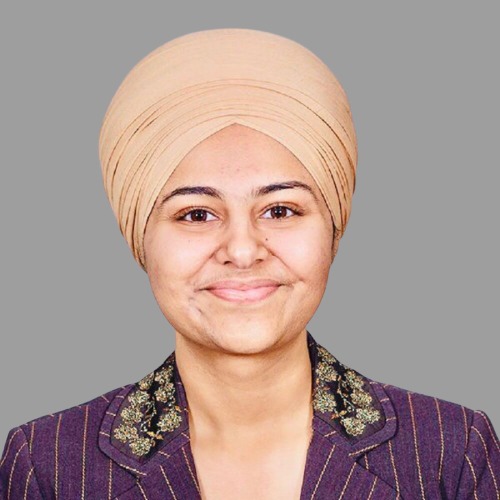
Dr. Jasdeep Kaur Cheema
Nuvia Dental Implant Center
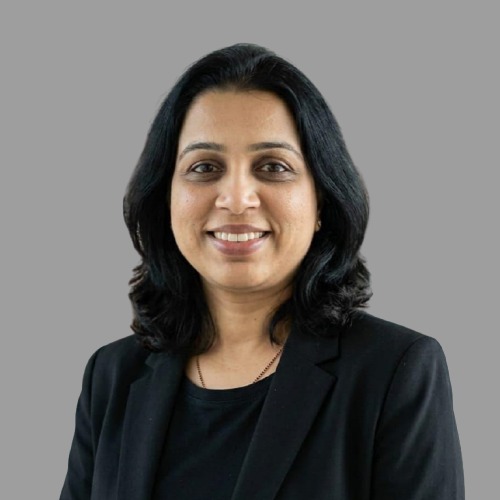
Dr. Aparna Thakur
Nair Hospital Dental College
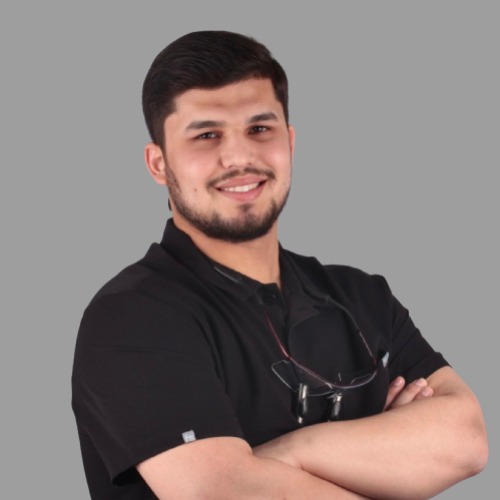
Dr. Nosirdzhon Karimov
Sahih Digital Med
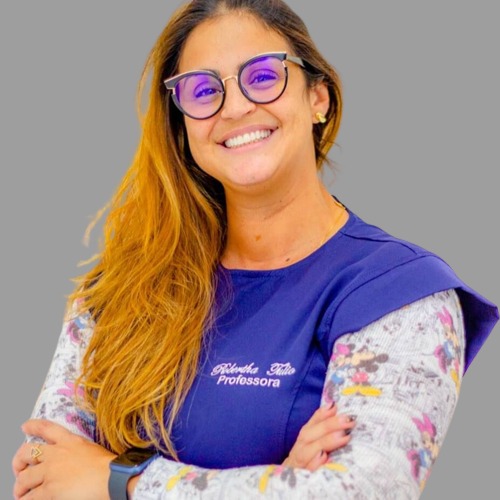
Prof. Dr. Robertha Tulio
President of CRORJ's Technical Chamber of Anesthesia and Sedation in Dentistry
Prof. Dr. Hari Ram
King George’s Medical University