The Rise of Digital Dentistry Shaping the Future of Oral Healthcare
Dentistry is undergoing a technological revolution, transforming the way oral health professionals diagnose, treat, and communicate with patients. In recent years, digital dentistry has emerged as a leading trend, revolutionizing traditional practices and bringing a wave of innovation to the field. From 3D printing to artificial intelligence (AI), these advancements are reshaping patient care and practice management. Here’s a closer look at the trending topics in dentistry that are setting new standards for oral healthcare.
3D printing has transitioned from a futuristic concept to a practical tool in modern dental practices. Dentists can now fabricate custom crowns, bridges, dentures, and orthodontic aligners with unparalleled precision. This technology reduces the time required for prosthetic manufacturing, allowing for same-day restorations that improve patient satisfaction. Additionally, 3D printing is cost-effective and environmentally friendly, minimizing waste compared to traditional methods.
2. Artificial Intelligence and Machine Learning
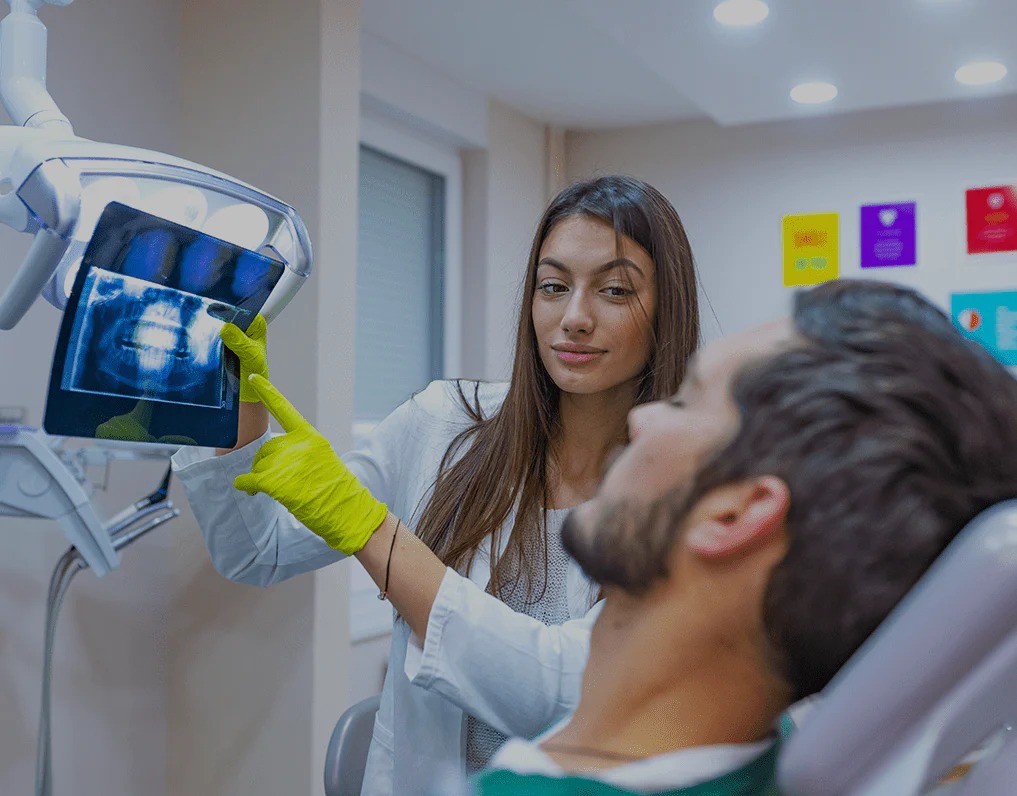
AI is transforming dental diagnostics and treatment planning. Machine learning algorithms can analyze radiographs and detect cavities, bone loss, or other abnormalities with exceptional accuracy. AI-powered software also assists in predicting treatment outcomes and creating personalized care plans. Moreover, virtual dental assistants are enhancing patient engagement by automating appointment scheduling, reminders, and follow-ups.
3. Teledentistry: Expanding Access to Care
The rise of teledentistry has made dental care more accessible, especially in underserved and remote areas. Patients can now consult dentists via video calls for initial assessments, follow-ups, or second opinions. This approach not only saves time but also reduces the need for in-person visits, making dental care more convenient and affordable.
4. Minimally Invasive Dentistry
Patients today seek treatments that are effective yet minimally invasive. Advancements such as laser dentistry, air abrasion, and bioceramic materials have made procedures less painful and more efficient. Minimally invasive techniques preserve more of the natural tooth structure, promoting better long-term oral health.
5. Sustainability in Dentistry
As environmental awareness grows, the dental industry is embracing sustainable practices. Eco-friendly materials, biodegradable packaging, and energy-efficient equipment are becoming standard in modern dental clinics. Practices are also adopting digital workflows to reduce paper usage and carbon footprints.
6. Virtual Reality (VR) for Patient Comfort
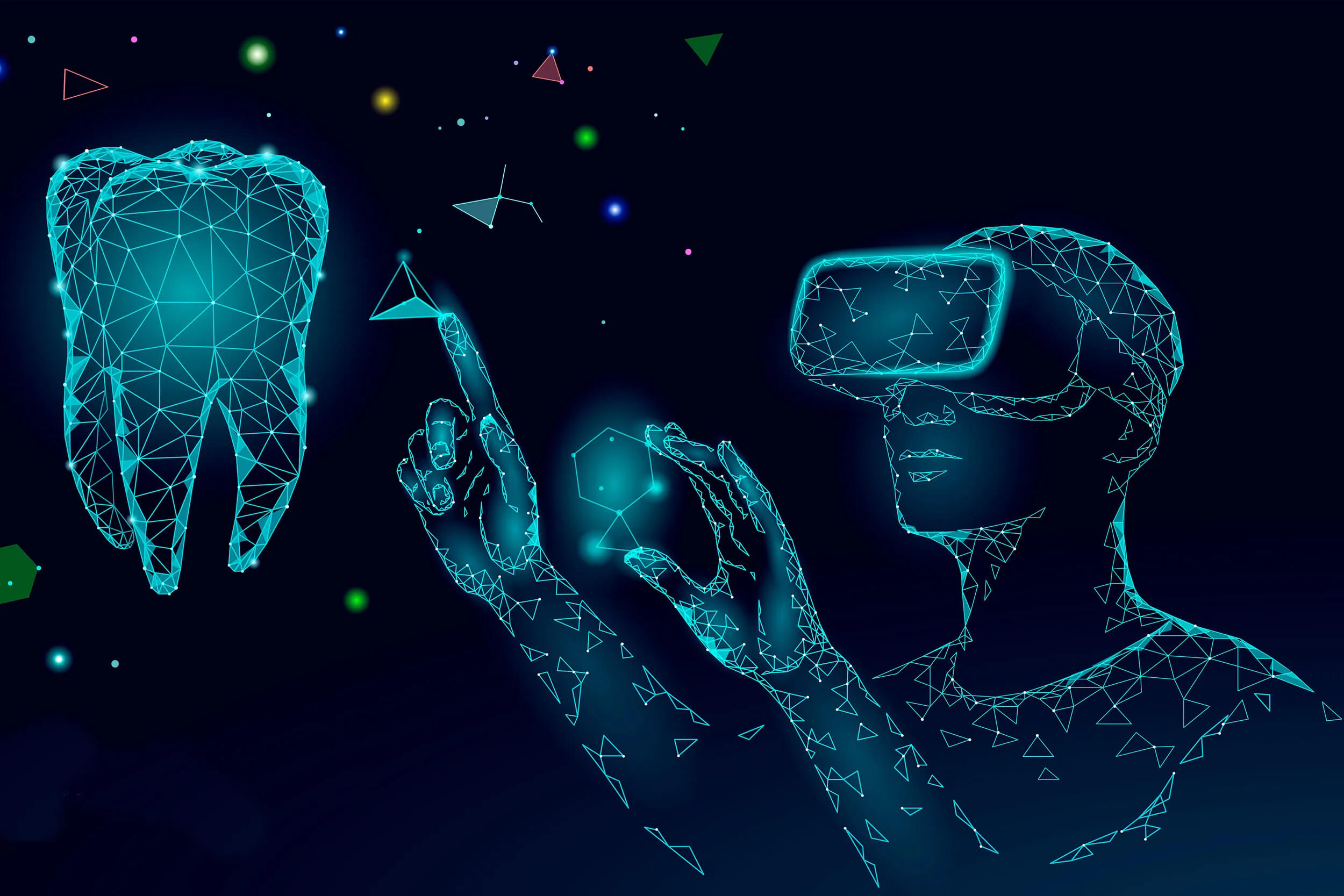
VR is being used to enhance patient experiences by reducing anxiety during dental procedures. Patients can immerse themselves in calming virtual environments while undergoing treatments, creating a more positive and stress-free visit. VR also plays a role in dental education, allowing students to practice procedures in a simulated environment.
Regenerative dentistry is an exciting frontier, focusing on the body’s ability to heal and regenerate dental tissues. Stem cell research and biomaterials are paving the way for tooth regeneration, potentially eliminating the need for traditional fillings and implants in the future.
Conclusion
The integration of technology and innovation into dentistry is not just a trend but a paradigm shift that is elevating the standards of oral healthcare. These advancements enhance the patient experience, improve diagnostic accuracy, and streamline practice operations. As digital dentistry continues to evolve, it promises a future where oral health is more accessible, efficient, and personalized than ever before.
Whether you’re a dental professional or a patient, staying informed about these trends is crucial for navigating the rapidly changing landscape of oral healthcare. The future of dentistry is digital, and it’s here to stay.
Recent Post


ADA tells White House No
Dentists urging for amendments to COVID-19 measures